Beyond Decoration: Why Talismanic Jewellery is the Definitive Trend of 2026
Overview:
In 2026, luxury is no longer loud. It is intentional.
The era of fast fashion and logo-heavy accessories is quietly fading. In its place, we are seeing a powerful rise in meaningful jewellery trends 2026 — pieces chosen not simply for style, but for symbolism. From talismanic pendants to spiritually charged gemstones, today’s collector is seeking depth.
This is the age of spiritual luxury jewellery — adornment that reflects personal values, heritage and inner alignment.
At the forefront of this movement is Emma Chapman jewels, a Mughal inspired designer brand known for blending ancient symbolism with refined craftsmanship. Rather than chasing trends, the house preserves traditional artistry, creating jewellery that feels both regal and soulful.
Sacred Geometry, “Jaali” Work and the Language of Protection
One of the defining features of talismanic jewellery in 2026 is the return of sacred design.
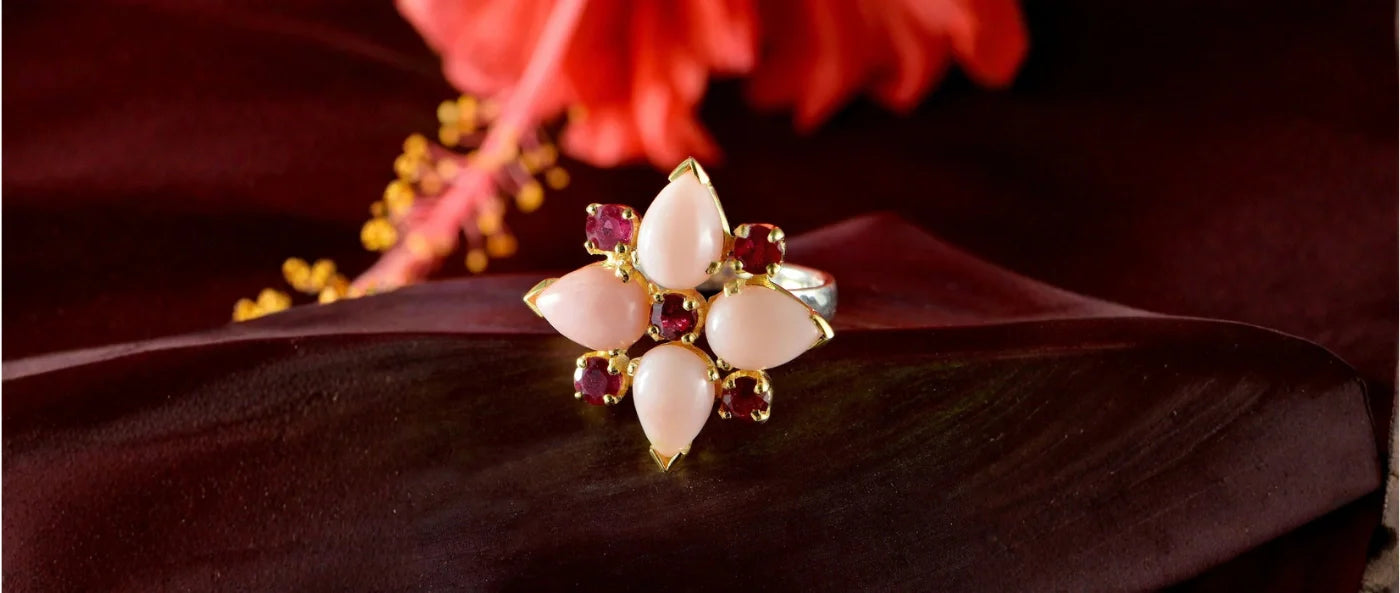
Within Emma Chapman’s collections, intricate jaali work jewellery draws inspiration from Mughal architecture. These delicate lattice patterns are not merely decorative — they symbolise infinity, divine order and protection. Sacred geometry has long represented balance and harmony, making sacred geometry gold rings especially meaningful for modern wearers seeking grounding in uncertain times.
This revival of Mughal-inspired design reflects more than aesthetic preference. It represents a desire to reconnect with artistry that carries cultural and spiritual depth.
Case Study: The Lapis Lazuli Flower Ring
Among the most powerful gemstones leading this movement is lapis lazuli.
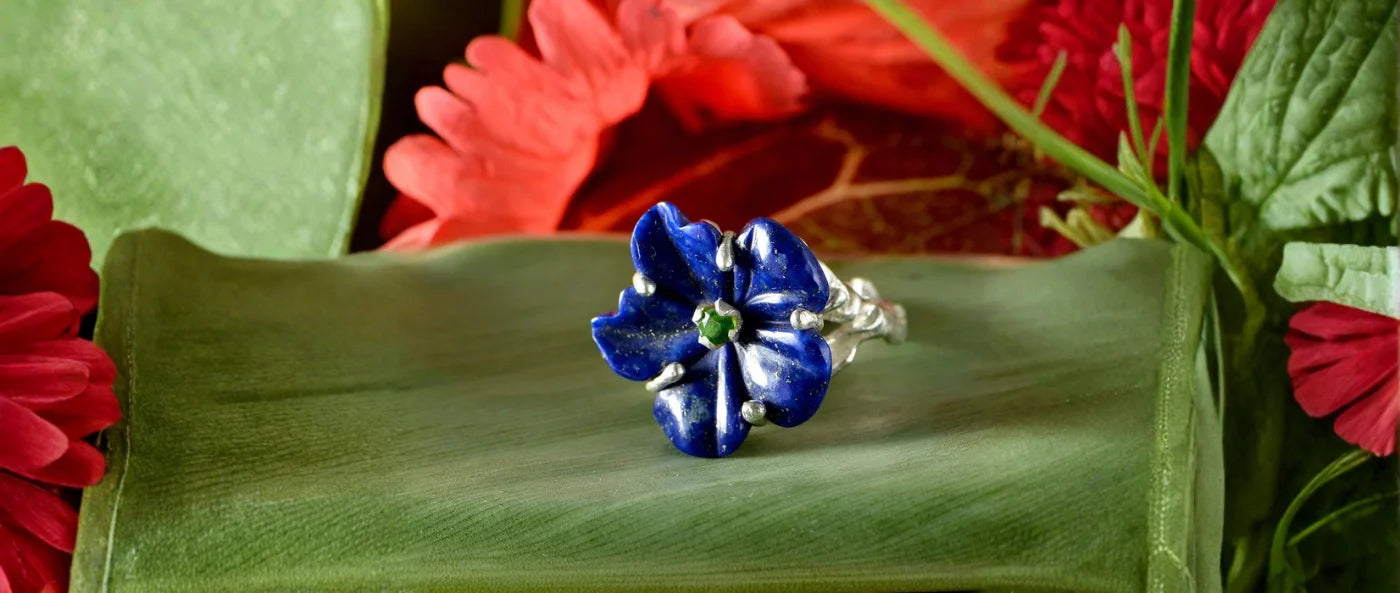
The Rosa Lapis Lazuli Flower Ring captures the essence of talismanic beauty. For over 6,000 years, lapis has been treasured as the “Stone of Kings”, associated with wisdom, truth and protection. In 2026, the renewed interest in this gemstone aligns with a growing focus on mental clarity and authenticity.

The deep celestial blue — often described as a blue stone of protection — makes the lapis lazuli flower ring not only visually striking but symbolically rich.
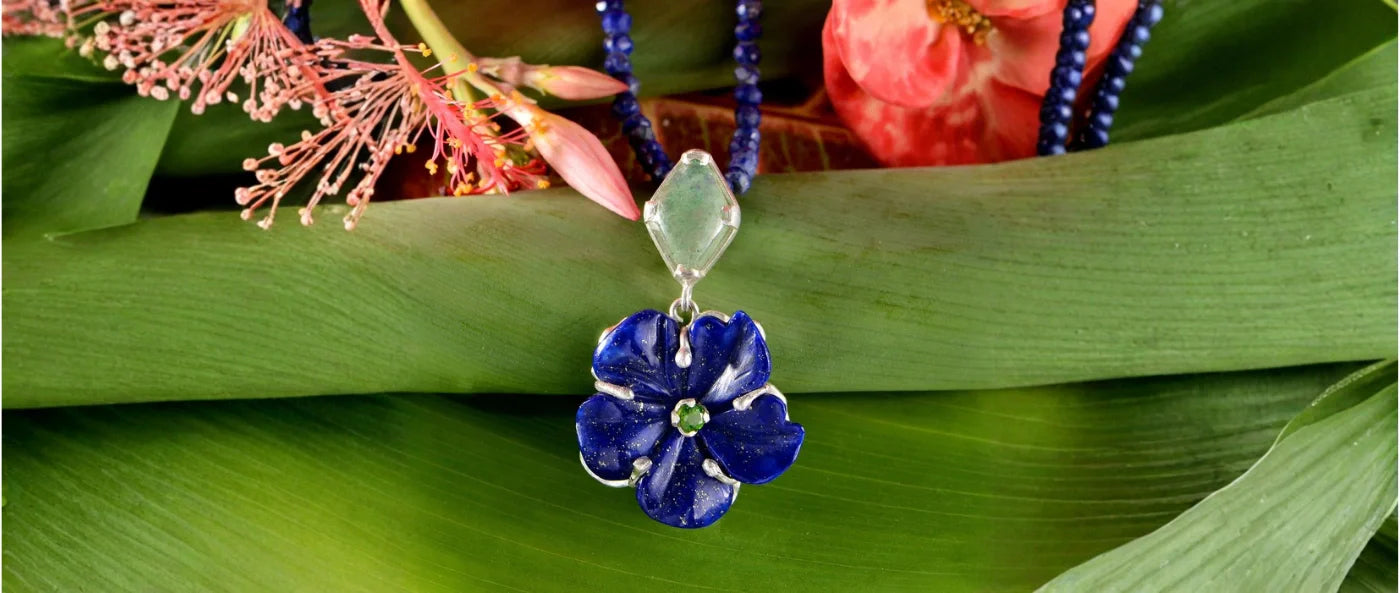
Beyond aesthetics, many are drawn to the carved lapis benefits. Lapis is traditionally linked to inner truth, self-expression and calm thinking. When hand-carved into floral forms, the stone becomes even more personal — a quiet statement of strength and refinement.
For those searching for carved lapis benefits combined with heritage design, this ring exemplifies the new direction of luxury.
Craft as a Talisman: The Power of Hand-Carved Gemstone Jewellery
True talismanic jewellery is defined by how it is made.
There is a profound difference between machine-cut stones and hand-carved gemstone jewellery. The subtle variations, the gentle curves and the tactile finish all speak of human involvement. Each piece carries the mark of its maker.
In Jaipur, master artisans employ traditional stone-carving and embossing techniques to create intricate settings and sculpted gemstones. This dedication to craft defines authentic Jaipur handmade jewellery and elevates it beyond mass production.
The result is refined artisanal gold work that feels alive with intention. Craftsmanship becomes part of the talisman itself — a connection between artisan and wearer, shaped through patience and skill.
In an increasingly automated world, this human element is precisely what defines meaningful jewellery trends in 2026.
Why Talismanic Jewellery Is the Definitive Trend of 2026
The rise of talismanic pendants, sacred geometry gold rings and spiritually symbolic gemstones signals a deeper cultural shift. Consumers are no longer purchasing jewellery purely for occasion or status. They are curating pieces that align with their personal story.
Whether drawn to Mughal-inspired jaali work jewellery, the grounding energy of lapis lazuli, or the quiet power of hand-carved gemstone jewellery, today’s luxury client is choosing with intention.
This is not trend-driven buying. It is conscious collecting.
Conclusion: Curating Your Personal Talisman
The most powerful piece of jewellery is the one that resonates instinctively.
Explore the Rosa and Tallulah collections to discover a design that reflects your own symbolism — whether that lies in sacred geometry, carved lapis benefits, or finely detailed artisanal gold work.
To learn more about the heritage and craftsmanship behind each piece, visit the brand’s About page and discover its long-standing partnership with Jaipur artisans — a commitment that ensures every creation is rooted in authenticity.
In 2026, jewellery is no longer just decoration. It is protection. It is intention. It is identity.
And that is why talismanic jewellery stands as the definitive luxury trend of the year.
FAQs
1. What is talismanic jewellery?
Talismanic jewellery refers to pieces designed with symbolic meaning, often incorporating protective gemstones, sacred geometry or heritage motifs.
2. Why is talismanic jewellery trending in 2026?
In 2026, luxury consumers are prioritising intention over excess. The shift away from fast fashion and logo-driven accessories has led to a rise in meaningful jewellery trends. Buyers are seeking pieces that reflect identity, protection and heritage rather than fleeting style.
3. What does jaali work symbolise in jewellery design?
Jaali work, inspired by Mughal architecture, features intricate lattice patterns symbolising infinity, harmony and protection. In jewellery, these sacred geometric forms represent balance and divine order, making them particularly aligned with the growing demand for spiritually meaningful adornment.
4. What are the benefits of wearing lapis lazuli?
Lapis lazuli has been treasured for thousands of years as a stone of wisdom, truth and protection. Traditionally associated with mental clarity and self-expression, carved lapis designs are believed to encourage inner strength and calm decision-making.
5. Why is hand-carved gemstone jewellery considered more meaningful?
Hand-carved gemstone jewellery carries the mark of artisan craftsmanship. Unlike machine-cut stones, each carved piece reflects human skill, intention and heritage techniques. This individuality enhances both its emotional value and its appeal within the spiritual luxury jewellery movement.