Sacred Geometry in Gold: How Jaali and Embossed Work Tell a Story of Protection
Gold has always been more than an ornament—it has intrinsic value as an investment, represents energy, protection, and timeless elegance. In the world of sacred geometry jewellery, gold transforms into a deeper expression of meaning, where every pattern tells a story beyond beauty. Rooted in tradition and enhanced by couture craftsmanship, techniques like jaali work jewellery embossed gold jewellery bring these symbolic designs to life.
These intricate methods are not just decorative—they are intentional, reflecting harmony, balance, and protection through design.
The Meaning Behind Sacred Geometry in Jewellery
Sacred geometry is the art of using precise patterns and symmetrical designs inspired by nature, spirituality, and ancient traditions. These geometric forms are believed to hold powerful energies that create balance, positivity and divine unity and are used to foster calmness and mindfulness.
In gold jewellery, sacred geometry is carefully crafted to represent:
- Harmony and alignment
- Protection from negative energy
- Spiritual connection and inner balance
Designs often draw inspiration from natural patterns, such as circles, floral symmetry, and repeating structures. These elements make sacred geometry jewellery not only visually appealing but also deeply meaningful.

Symbolism of Patterns in Sacred Geometry Jewellery
Each geometric pattern used in jewellery carries its own significance, adding depth to the design:
- Circles represent unity, completeness, and eternity
- Triangles symbolize strength, stability, and balance
- Floral patterns reflect growth, beauty, and harmony
- Repeating motifs signify continuity and protection
When these patterns are incorporated into jaali work jewellery and embossed gold jewellery, they create pieces that act as both adornments and protective symbols.
Jaali Work Jewellery: The Art of Protection Through Design
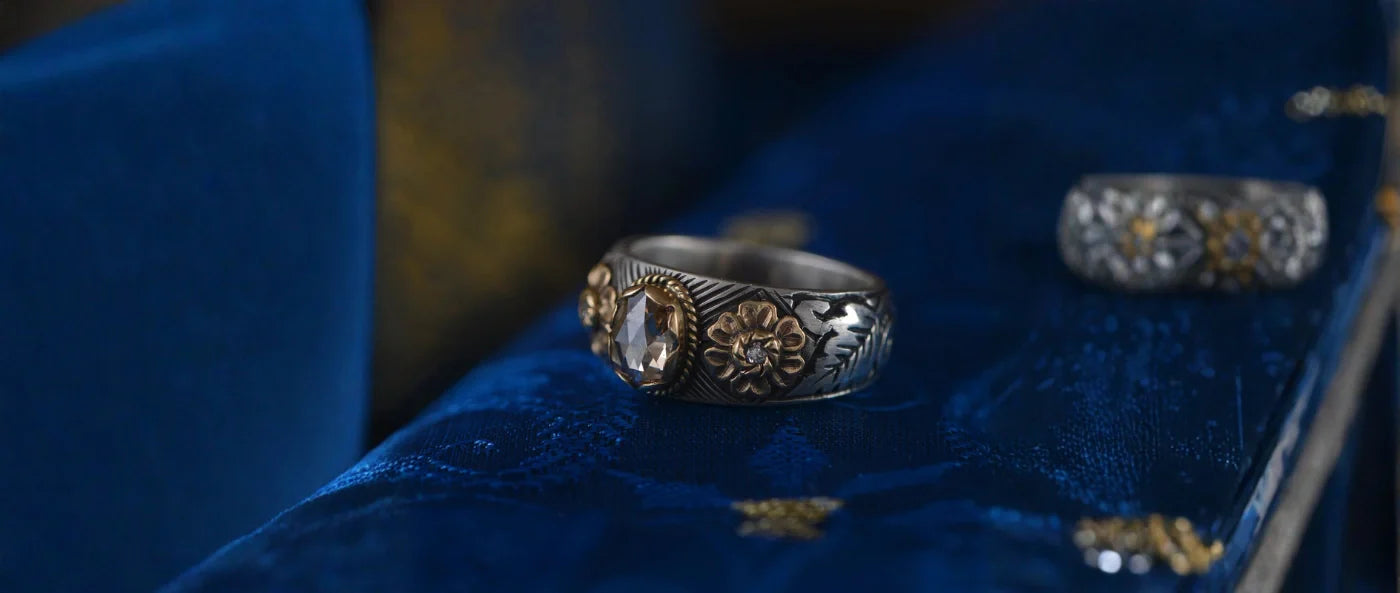
Jaali work is one of the most delicate and intricate techniques in jewellery making. It involves carving or cutting fine patterns into gold to create a lace-like, breathable structure.
Key features of jaali work jewellery:
- Intricate, lightweight patterns with high precision
- Inspired by heritage architecture and traditional artistry
- Allows energy to flow while symbolically filtering negativity
This technique requires exceptional craftsmanship, as even the smallest detail must be perfectly executed. Each piece of jaali work jewellery reflects patience, skill, and artistic excellence.
Beyond aesthetics, jaali designs are often associated with protection. The open patterns symbolize a balance between openness and shielding—allowing positivity to enter while keeping negative energy away.

Embossed Gold Jewellery: Depth That Tells a Story
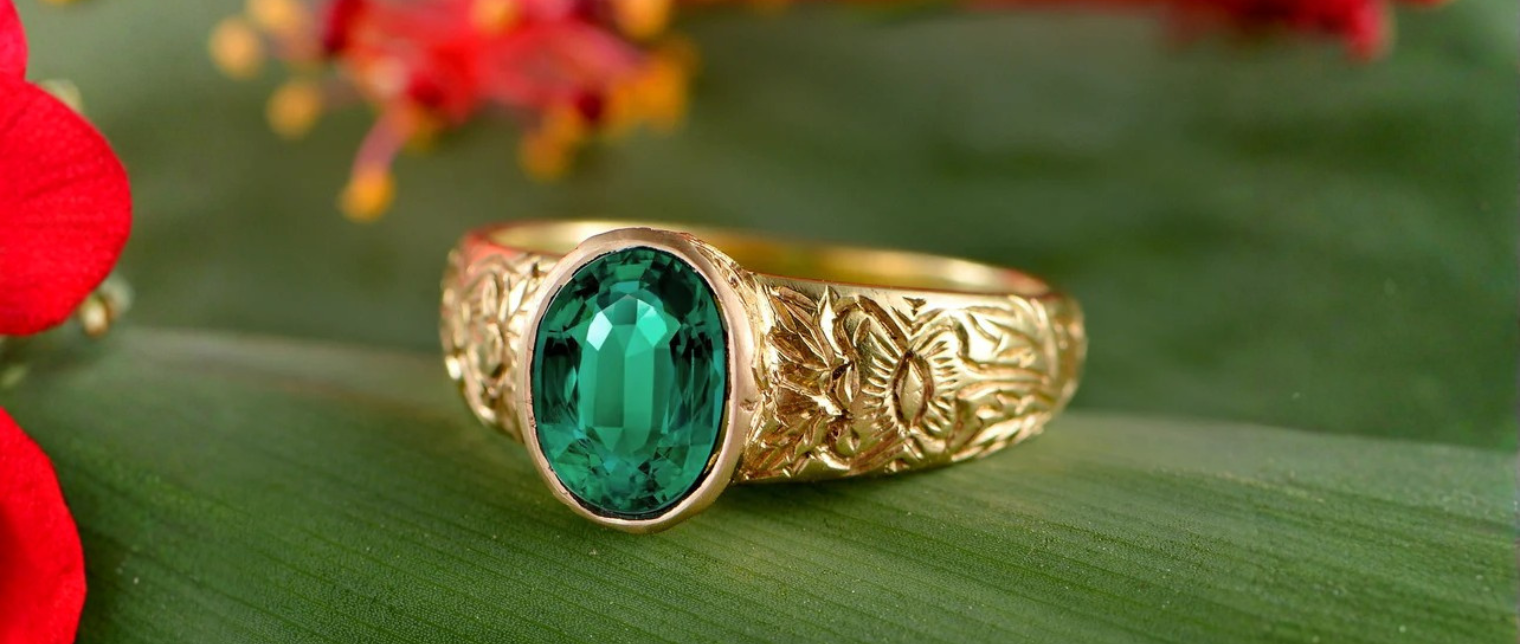
Embossed work is a technique where patterns are raised on the surface of gold to create a three-dimensional effect. This adds texture, richness, and a sense of depth to the jewellery.
Key features of embossed gold jewellery:
- Elevated motifs that enhance visual appeal
- Strong storytelling through detailed patterns
- Adds dimension and luxury to each piece
In embossed gold jewellery, sacred geometric patterns stand out more prominently, making their symbolism more powerful and visually striking. These designs often represent strength, continuity, and identity.
The combination of raised surfaces and precise detailing ensures that every motif becomes a focal point, turning jewellery into a statement of both style and meaning.

Couture Jewellery Techniques That Define Luxury
Jaali and embossed work are not just traditional techniques—they are couture expressions of artistry. These methods require time, precision, and a deep understanding of design.
Together, they create jewellery that is:
- Rich in cultural and symbolic value
- Crafted with exceptional attention to detail
- Unique, timeless, and meaningful
In the world of luxury gold craftsmanship, these techniques set pieces apart from mass-produced designs. They reflect individuality, heritage, and a commitment to quality.
Why Sacred Geometry Jewellery is Trending in Luxury Fashion
Modern consumers are increasingly drawn to jewellery that offers more than just visual appeal. Today, there is a growing demand for designs that carry meaning, intention, and emotional value.
Sacred geometry jewellery is gaining popularity because:
- It blends spirituality with modern design
- It represents protection and positive energy
- It connects wearers to tradition and heritage
When combined with jaali work jewellery and embossed gold jewellery, these designs become even more desirable. They offer a perfect balance of elegance, symbolism, and craftsmanship—making them a preferred choice in luxury fashion.

The Craftsmanship Behind Every Detail
Creating jewellery with jaali and embossed techniques is a meticulous process. It involves:
- Detailed design planning based on geometric precision
- Skilled artisans carefully shaping and carving gold
- Multiple stages of refinement to achieve perfection
This level of craftsmanship ensures that no two pieces are exactly alike. Each design carries the signature of the artisan, making it truly one-of-a-kind.
More Than Jewellery—A Protective Legacy
When sacred geometry meets gold through jaali and embossed craftsmanship, the result is more than just luxury—it is a meaningful creation. Each piece becomes a symbol of protection, energy, and personal identity.
These designs go beyond trends, preserving the essence of storytelling through jewellery. In a world dominated by fast fashion, sacred geometry jewellery stands as a reminder of the value of tradition, intention, and artistry.
Conclusion: Where Beauty Meets Meaning
Sacred geometry in gold jewellery represents the perfect fusion of design, symbolism, and craftsmanship. Through techniques like jaali work jewellery and embossed gold jewellery, these patterns are transformed into wearable art that tells a story of protection and balance.
If you are looking for jewellery that combines luxury with deeper meaning, sacred geometry designs offer a timeless choice. They are not just ornaments—they are expressions of energy, heritage, and purpose.
FAQs:
1. What is sacred geometry in gold jewellery?
Sacred geometry in gold jewellery refers to the use of meaningful patterns and shapes, such as circles, triangles, and symmetrical designs, that are believed to hold spiritual significance. These designs are often inspired by ancient traditions and are thought to represent balance, harmony, and protection.
2. How does jaali work enhance the meaning of a piece?
Jaali work features intricate lattice-like patterns that not only add visual elegance but also symbolise openness and the flow of positive energy. It is traditionally associated with protection by allowing light and energy to pass through while maintaining structural strength.
3. What is embossed work in gold jewellery?
Embossed work involves creating raised designs on the surface of gold, adding depth and texture. These patterns often depict symbolic motifs, which can represent protection, prosperity, or cultural heritage.
4. Are these designs purely decorative or do they have deeper meaning?
While jaali and embossed designs are visually appealing, they also carry deeper cultural and spiritual meanings. Many people choose such jewellery not just for its beauty, but for its symbolic connection to protection and positive energy.
5. Is jewellery with sacred geometry suitable for everyday wear?
Yes, many pieces are designed to be both meaningful and practical. With proper craftsmanship and durable materials, sacred geometry jewellery can be comfortably worn every day while still retaining its symbolic significance.